Behind Biology's Rapid Acceleration
Biology has entered the age of exascale. Genomic sequencing is moving faster than Moore's Law. AI models are now designing proteins, predicting phenotypes, and engineering entire molecular pathways. Life science isn't confined to the lab bench anymore—it's powered by compute.

Cloud GPUs, massive compute clusters, and even early-stage quantum systems are becoming just as essential as microscopes and pipettes.
Bottlenecks Have Shifted from the Benchtop to the Backend
For much of the 20th century, biology moved at the pace of microscopes, reagents, and long hours at the lab. Today, the bottleneck isn't in the wet lab—it's in the backend. The amount of data being generated in genomics, proteomics, and systems biology is staggering.
Genomic data now outpaces even astronomy and particle physics in scale.
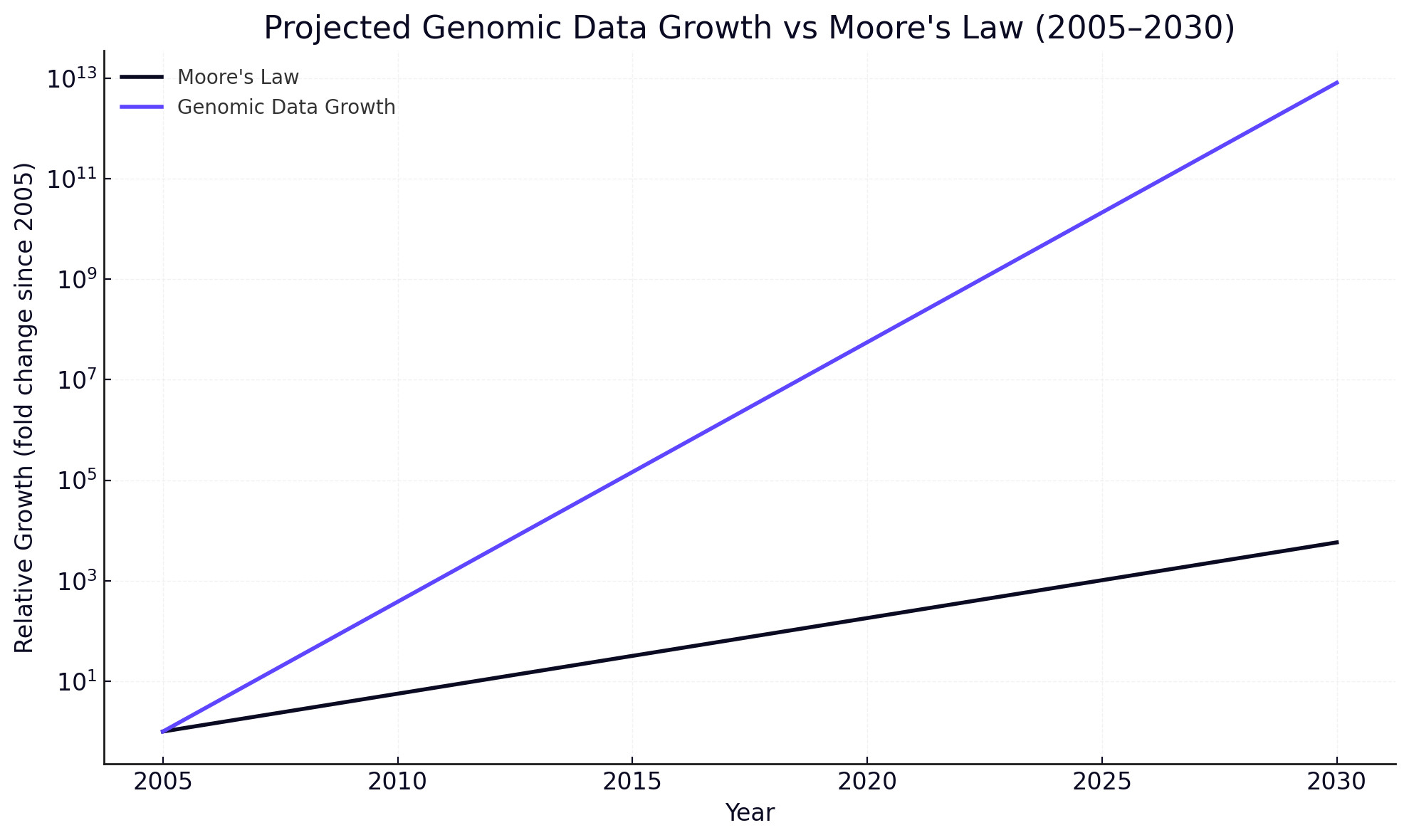
Sequencing a human genome used to take 13 years and cost billions. Now it takes less than an hour. But interpreting that data takes massive computing power and smart infrastructure.
What's Fueling the Shift to AI-Powered Biotech?
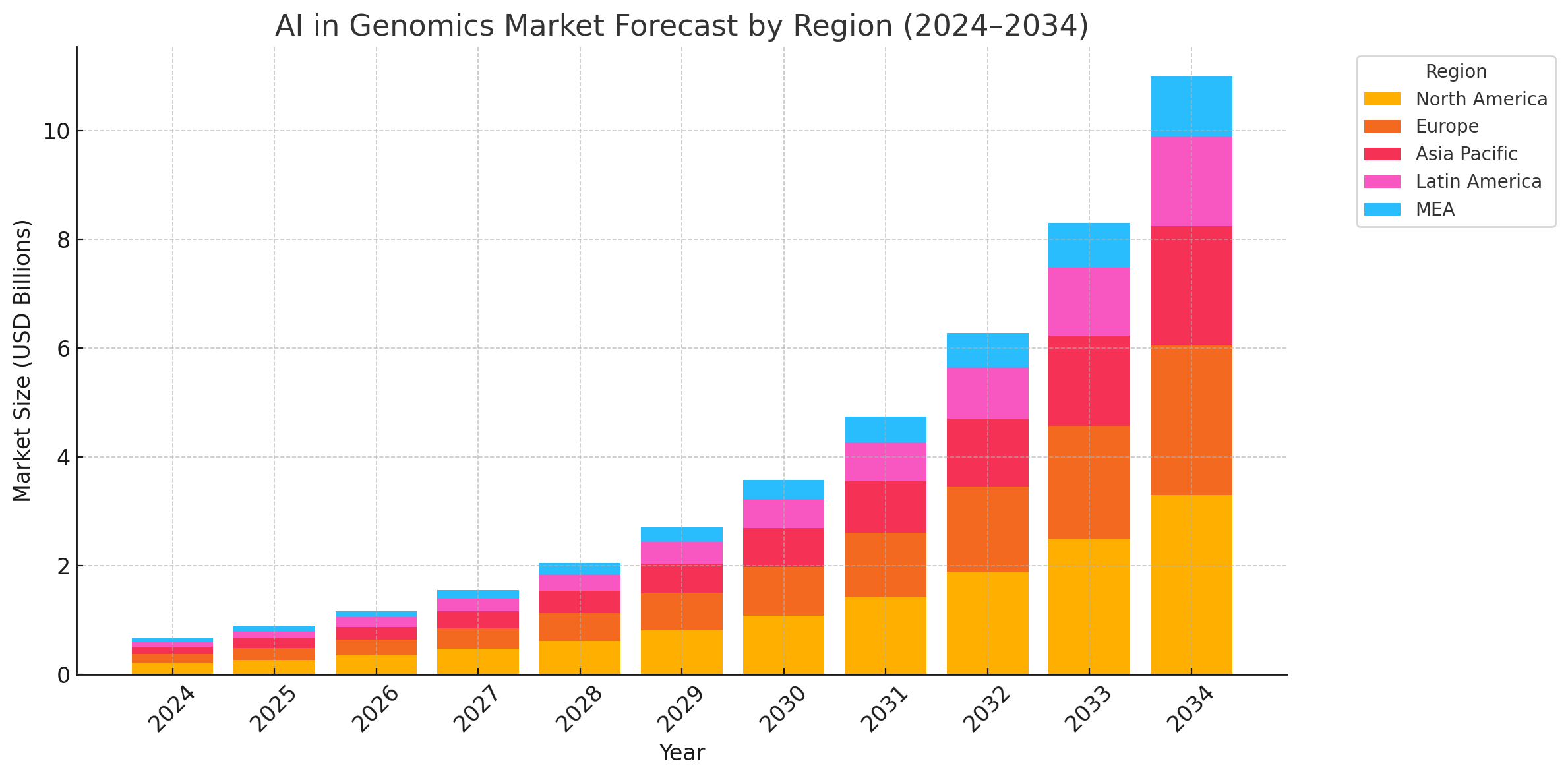
AI in genomics isn't a moonshot anymore—it's becoming the standard. Analysts predict the global market for AI in genomics will reach over $11.3 billion by 2034, growing at nearly 24% per year.
Several forces are driving this growth: sequencing costs have dropped dramatically—down by over 99.999% since 2001. Researchers are combining genomic, proteomic, and metabolic data like never before. And powerful AI models can now draw insights from this tangled web of data.
AI-Driven Pipelines Across the Lab
The most exciting breakthroughs in bioscience are emerging from AI-enhanced pipelines that span the entire research process.
| AI Capability | What It Enables | Real-World Impact |
|---|---|---|
| Generative Models | Propose new antibody scaffolds, metabolic pathways, CRISPR guides | AI-designed enzymes reach lab testing in weeks, not years |
| Active Learning | Prioritize the most informative experiments | Reduces wet-lab screening costs by up to 70% |
| Multimodal Reasoning | Combine omics data, medical images, and health records | Enables personalized therapy recommendations |
The Infrastructure Behind the Innovation
Every insight, simulation, and AI-generated molecule depends on compute. Not just more of it, but better access to it. Scientists need infrastructure that can scale on demand, integrate with their favorite tools, and flex between cloud, local, and national lab environments.
| Technology | What It Unlocks | Bioscience Impact |
|---|---|---|
| Supercomputers (Exascale) | High-throughput AI inference and data parallelism | Rapid vaccine design and real-time epidemiological modeling |
| Quantum Annealers | Optimization for complex decision spaces | Faster enzyme-substrate matching in synthetic biology |
| Gate-Based Quantum | Potential exponential speedups in linear algebra | Next-gen molecular dynamics and drug screening |
Where It's Happening: Global Impact in Action
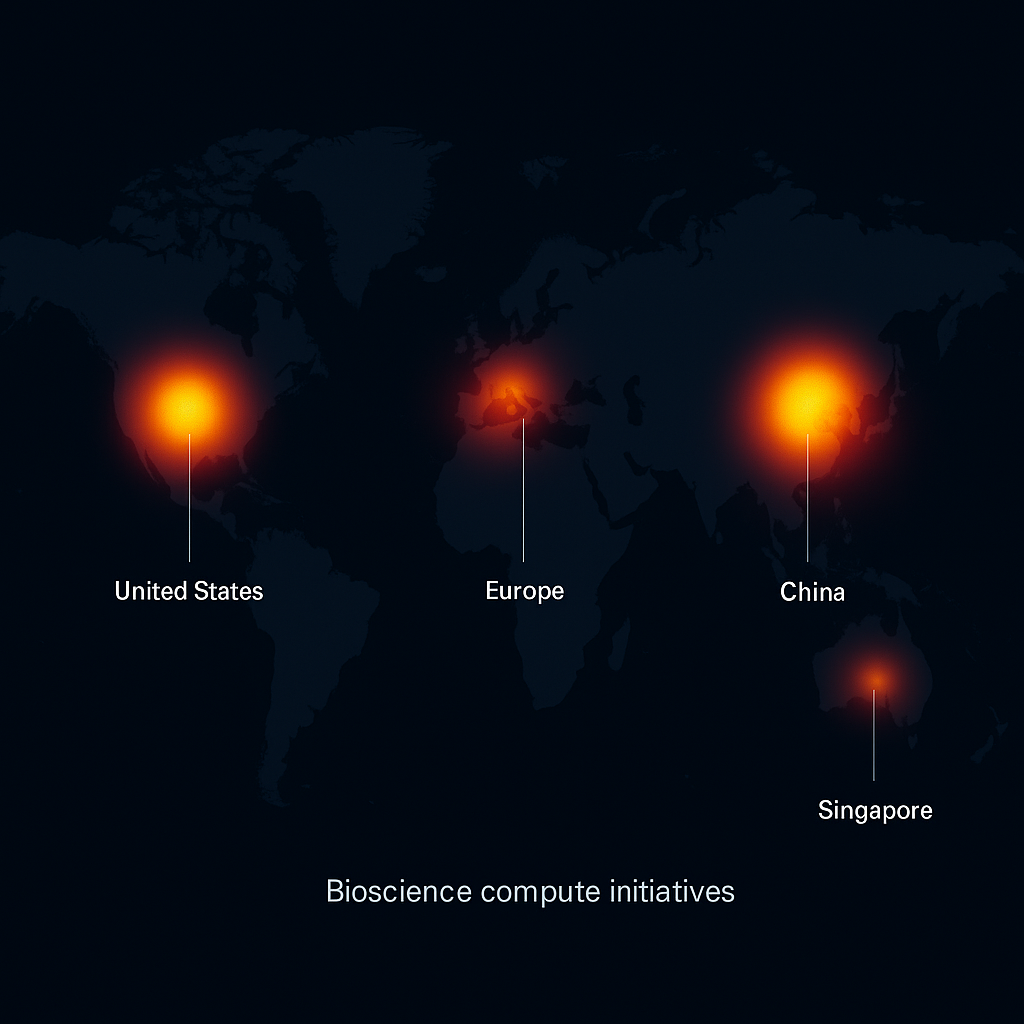
- NIH + AWS (USA): Hosting the 1000 Genomes Project on the cloud, making data accessible to researchers globally
- BGI (China): Using GPU-accelerated workflows to cut human genome analysis from days to under two hours
- Helmholtz Centre (Germany): Exploring quantum-enhanced protein folding to speed up structural biology
- Singapore Genomics Institute: Integrating AI into national health systems for early cancer detection
Final Thoughts: Compute Is Now a Core Scientific Instrument
The boundaries of biology are shifting.
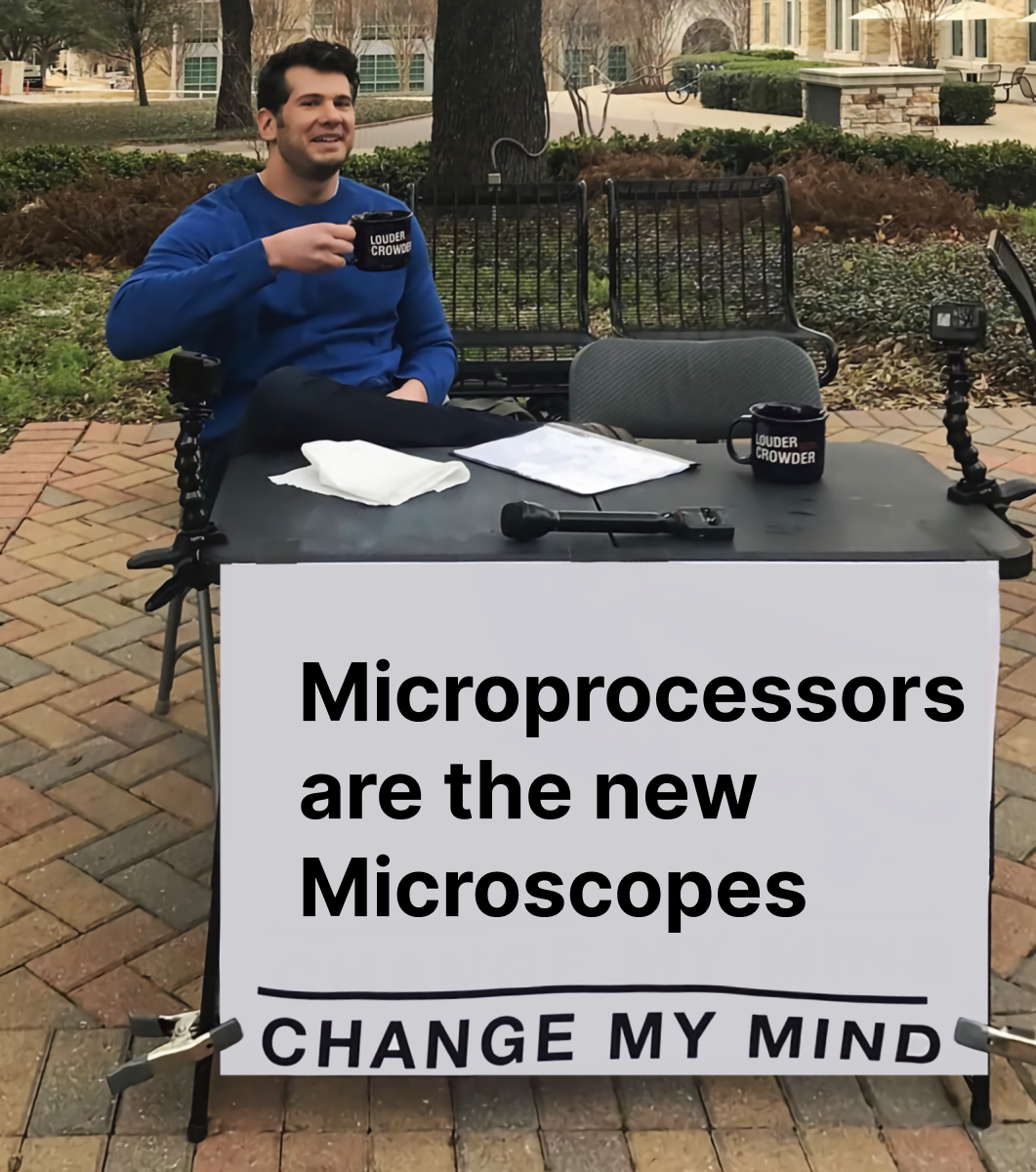
Compute isn't just a support tool—it's the engine driving discovery. Whether you're a researcher decoding a rare disease, a biotech startup running virtual screens, or a national lab architecting the future of health, one thing is clear: mastering the compute layer is the new competitive advantage.
Let's build it together.
Request a Demo